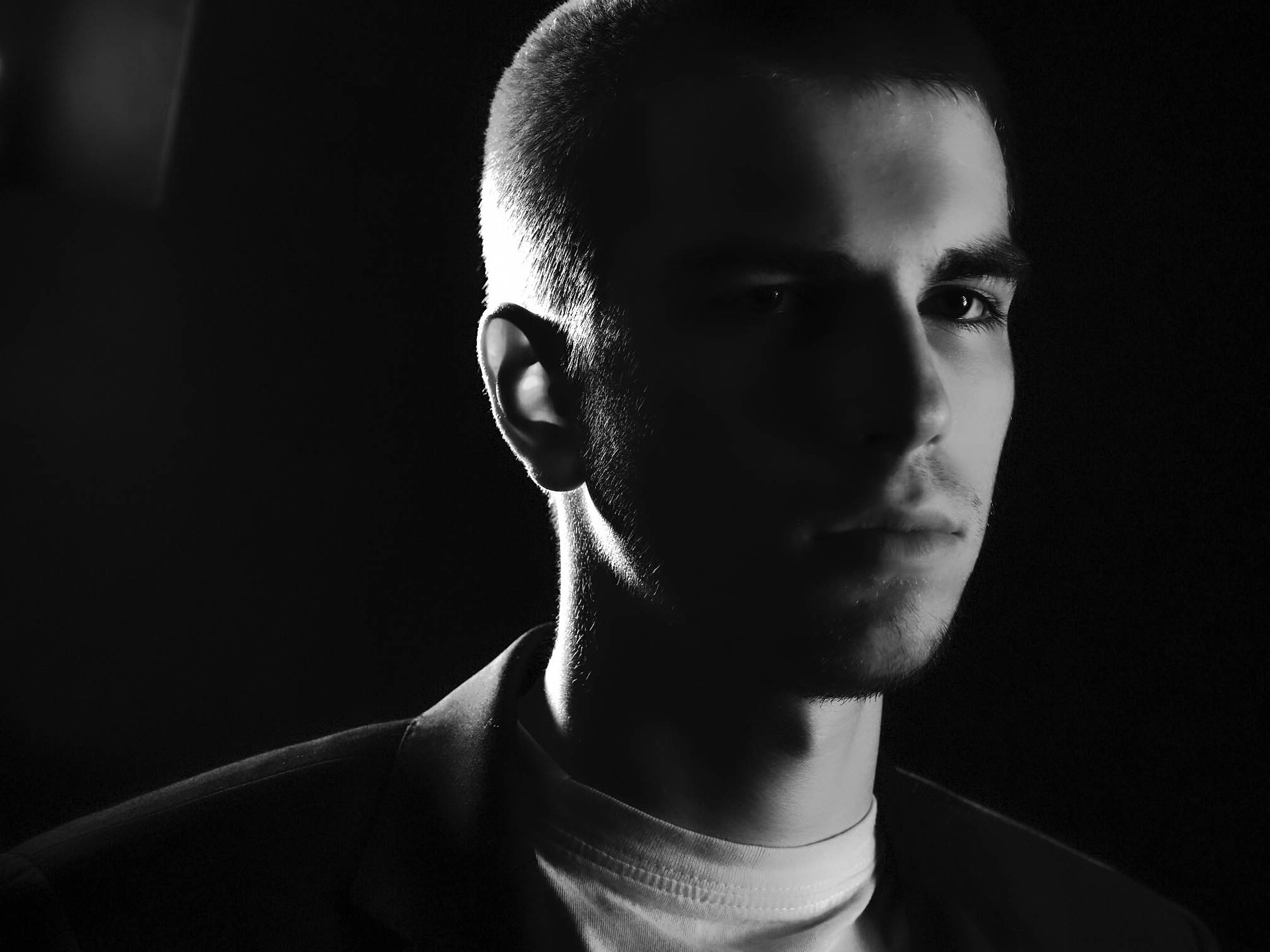
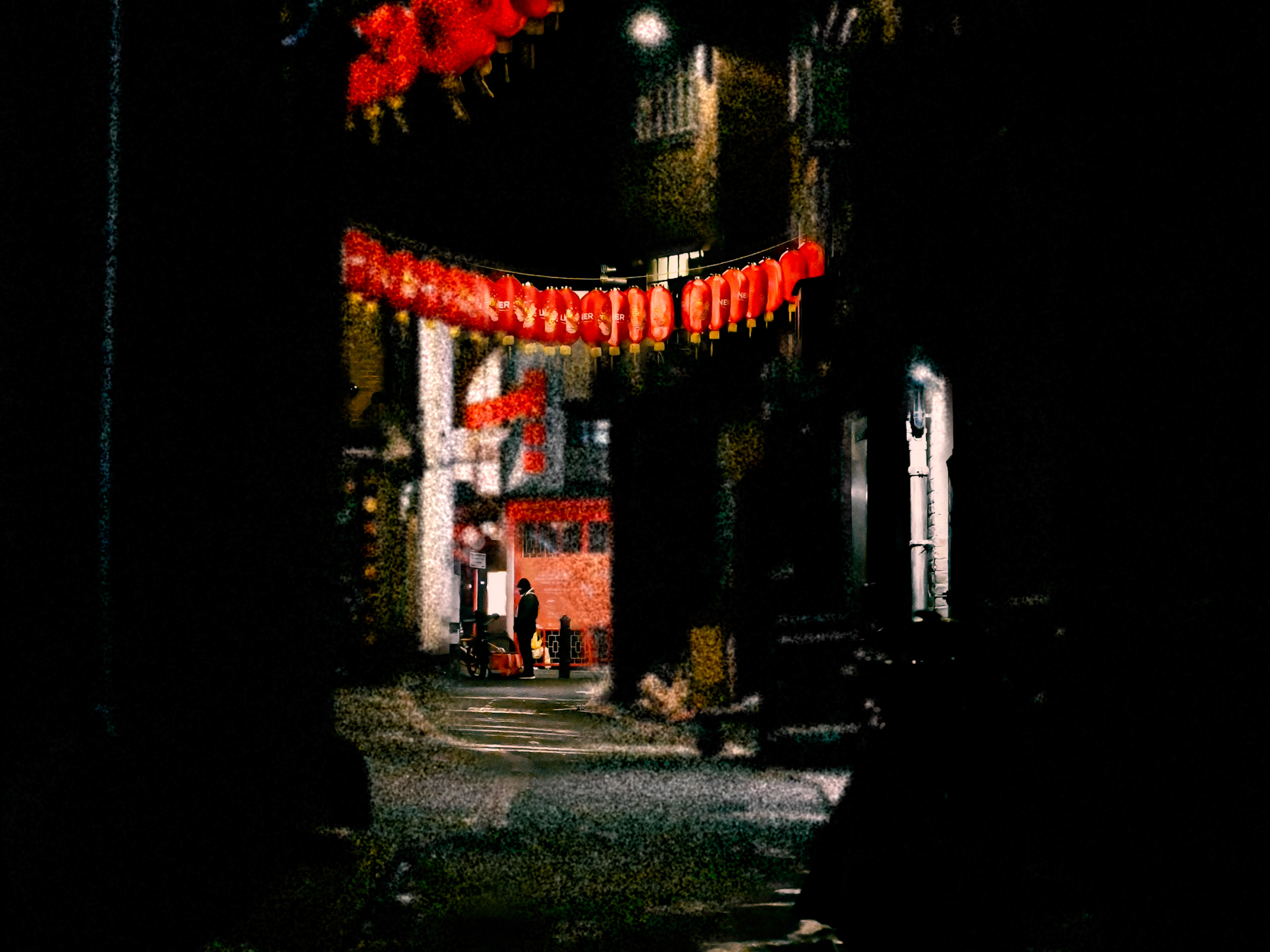
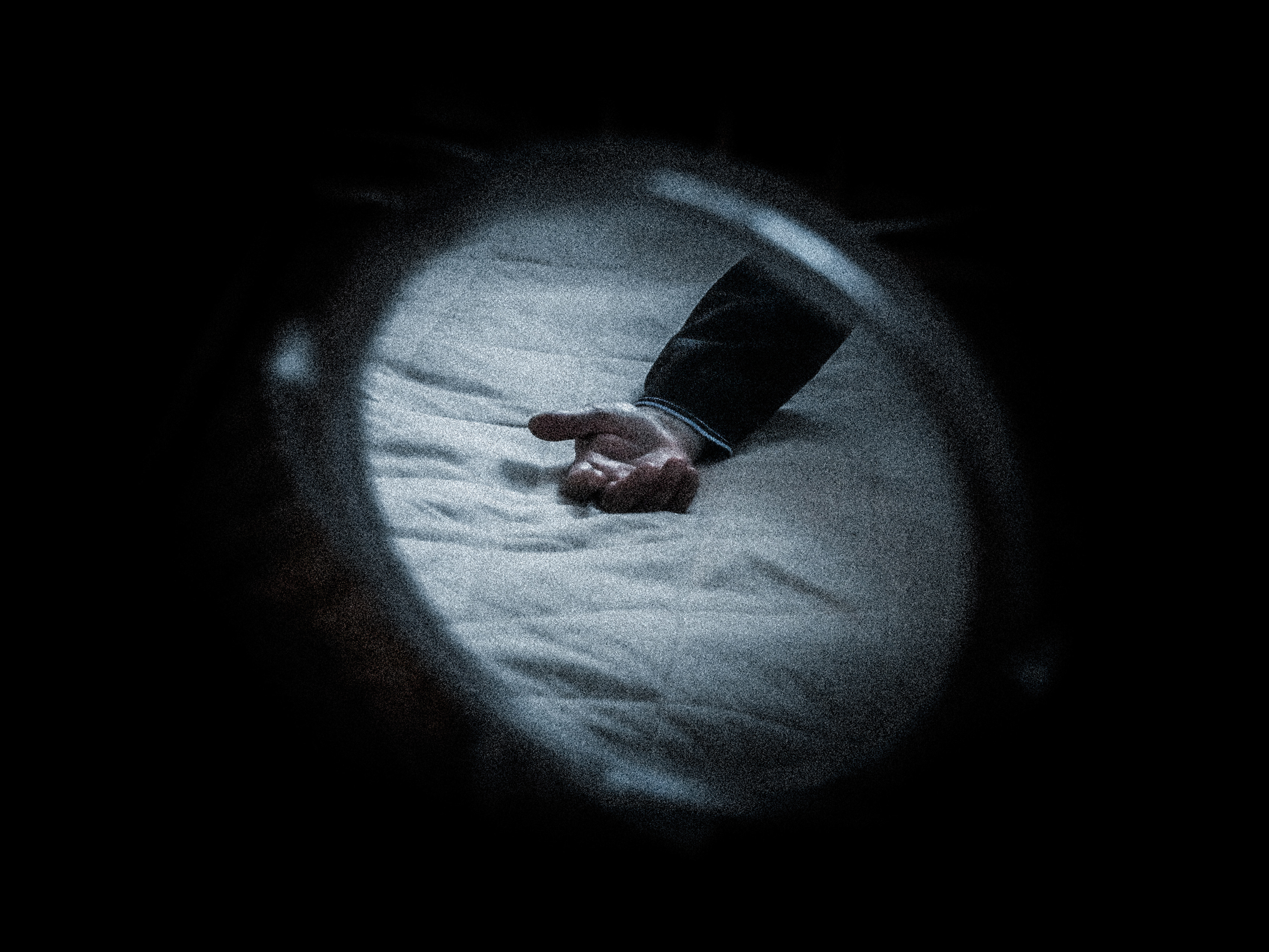
My college project titled 'The Armenian Genocide: 1915' is an exploration of the indelible marks that the massacre has had on the Armenian history and nation, penetrating into the very DNA of the people and earthing its blood-soaked steps into our very roots. As this project played a pivotal role in me constructing and developing my photographic style and visual approach, I experimented with different photographic expressions by blending 'genres' (fiction and non-fiction), using various contextual sources from Armenian documentary photographers to the legends like Duane Michals, Annie Leibovitz and even Edward Munch and referring to my own family's past. I instinctively came up with the idea-or, shall I say, the concept-of this project, without no idea where and how I would navigate with it. With that said, after approximately 1.5 years of constant developing and research, 20+ photoshoots, numerous locations (from Armenian churches to the studios in England) and art and museum visits, I invite you into this three-cycle examination of how history haunts us through space and time, how we are inevitably formed by our historical pasts with the hope of enlightening you (as much as I can) on this matter.
Cycle 1
The Pathos of War
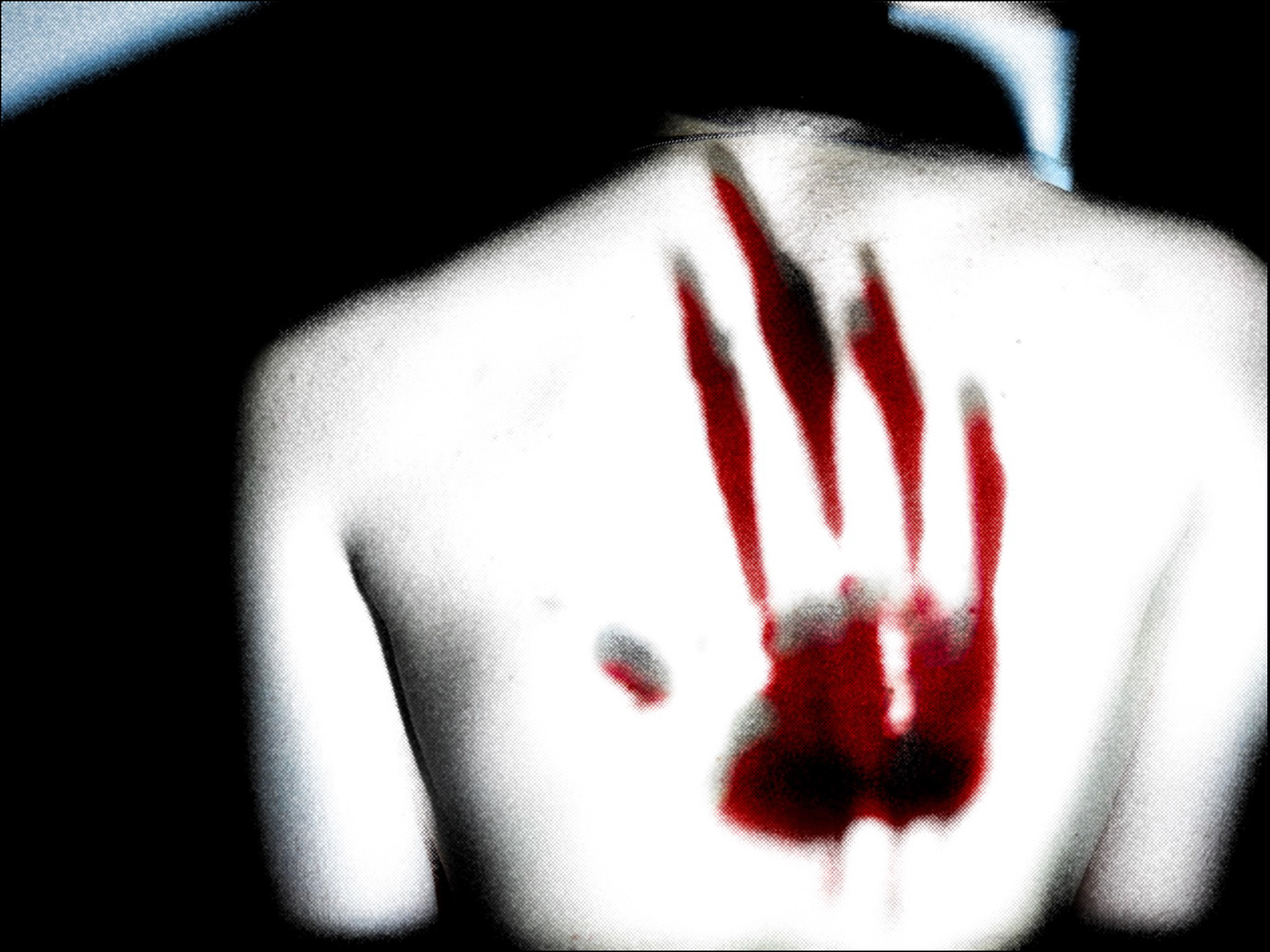
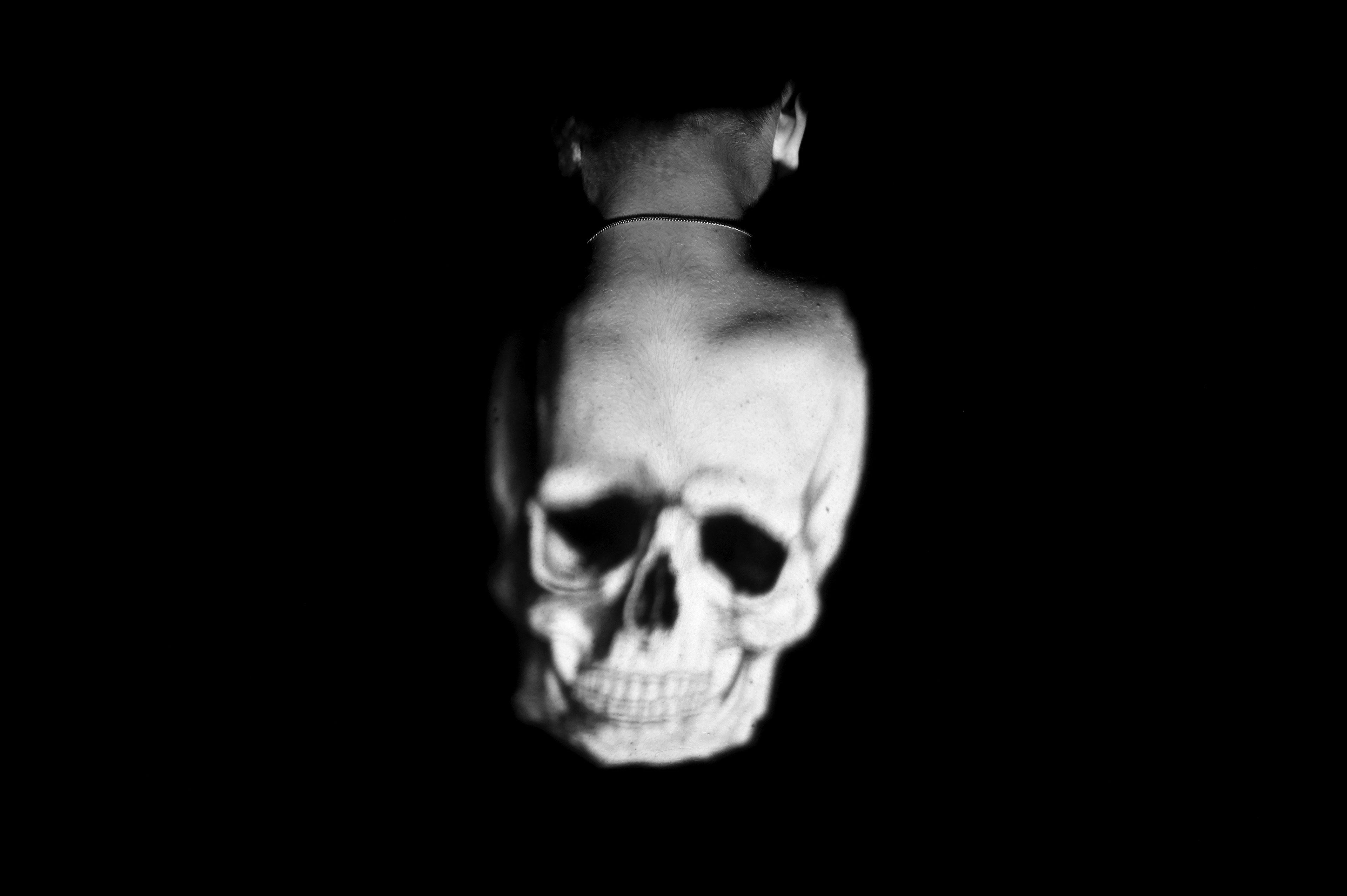
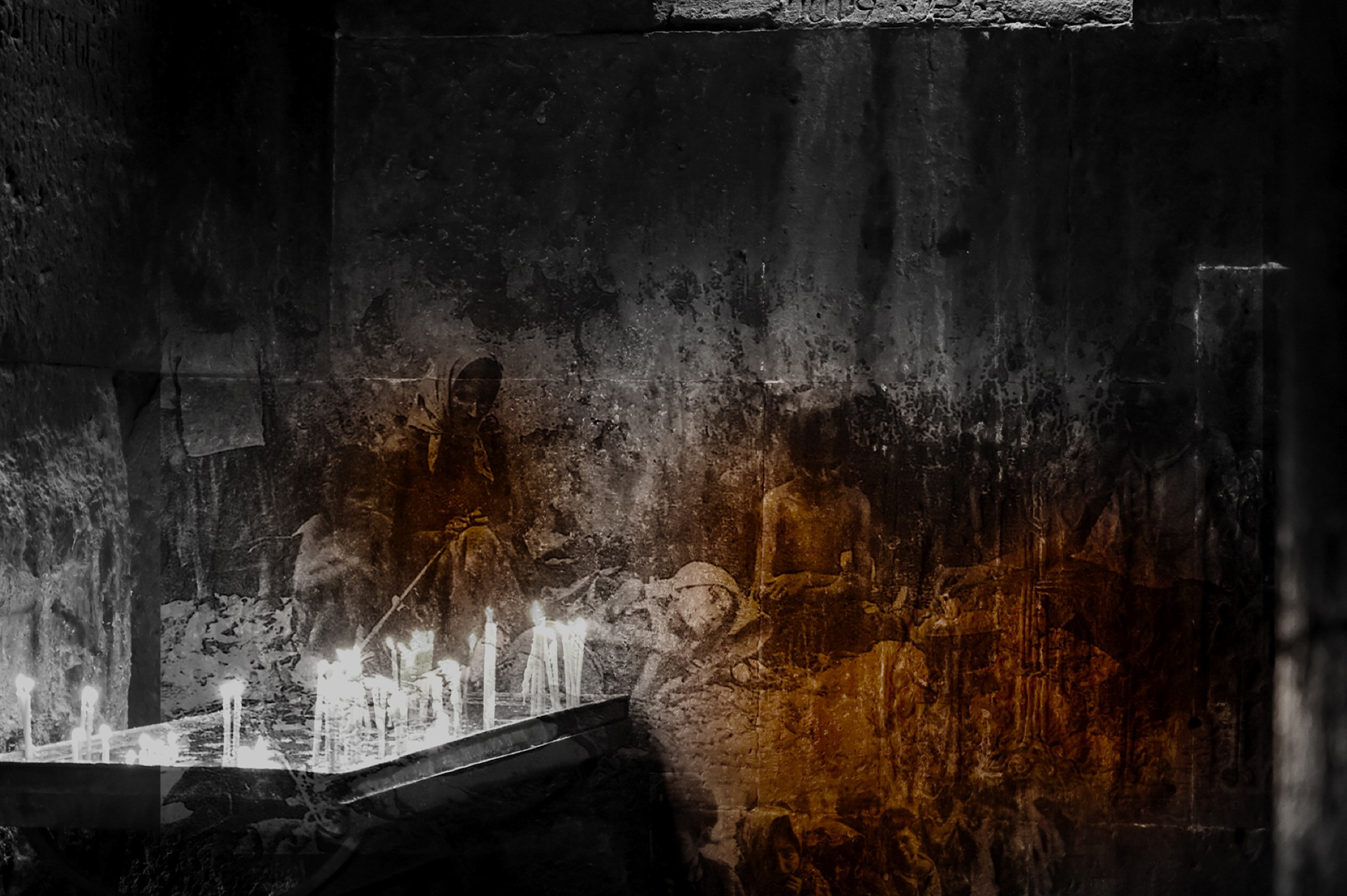
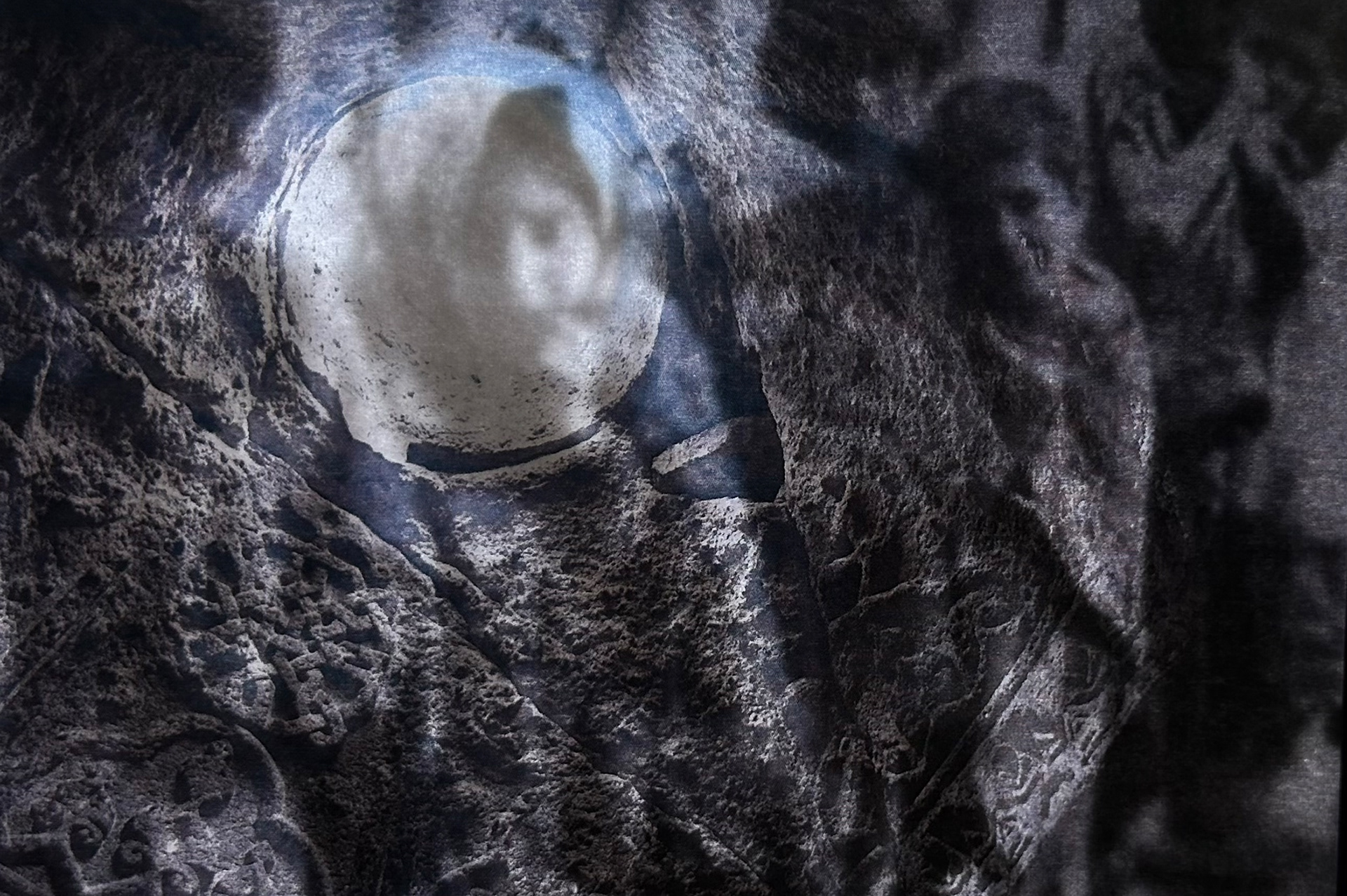
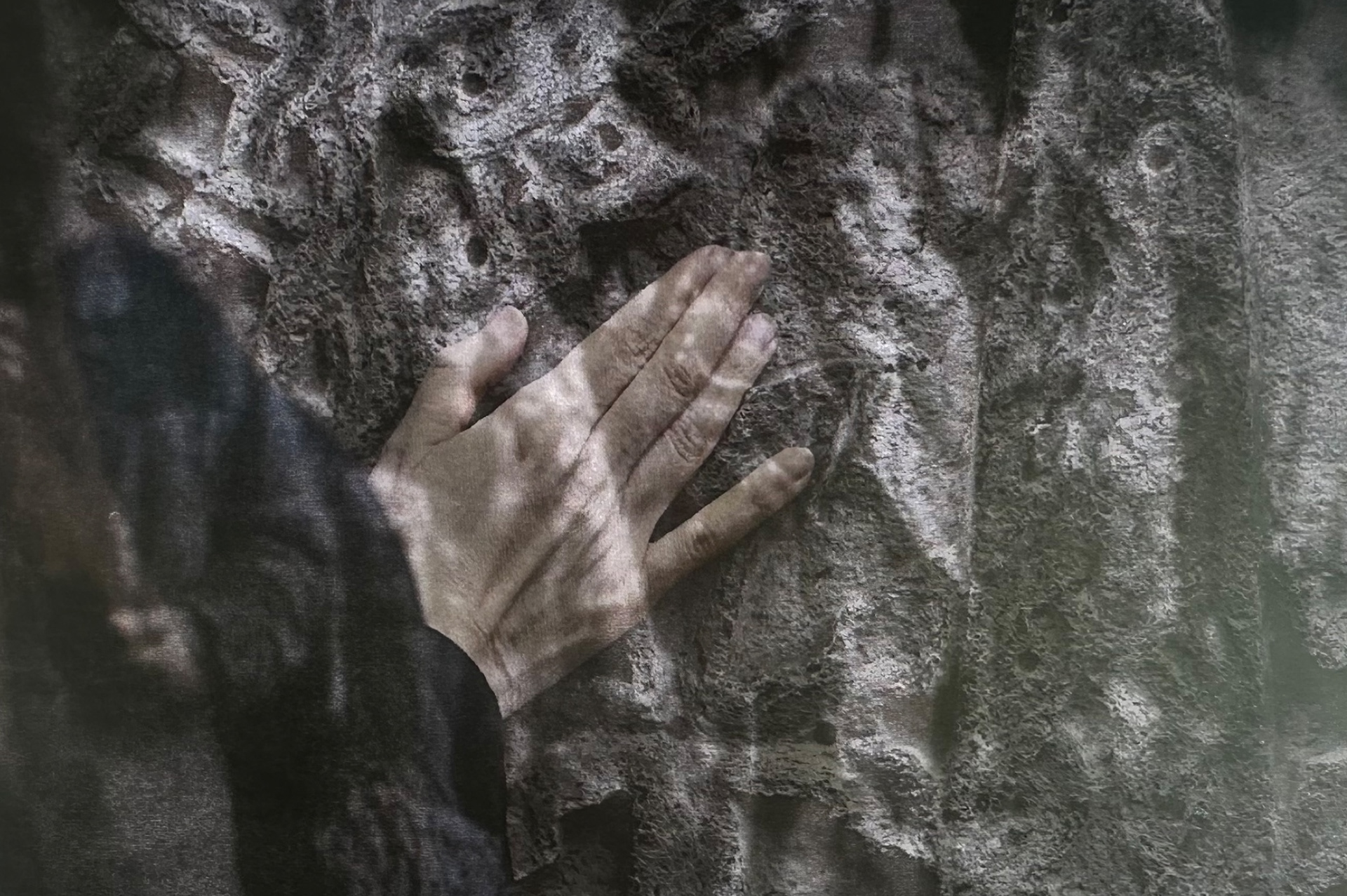
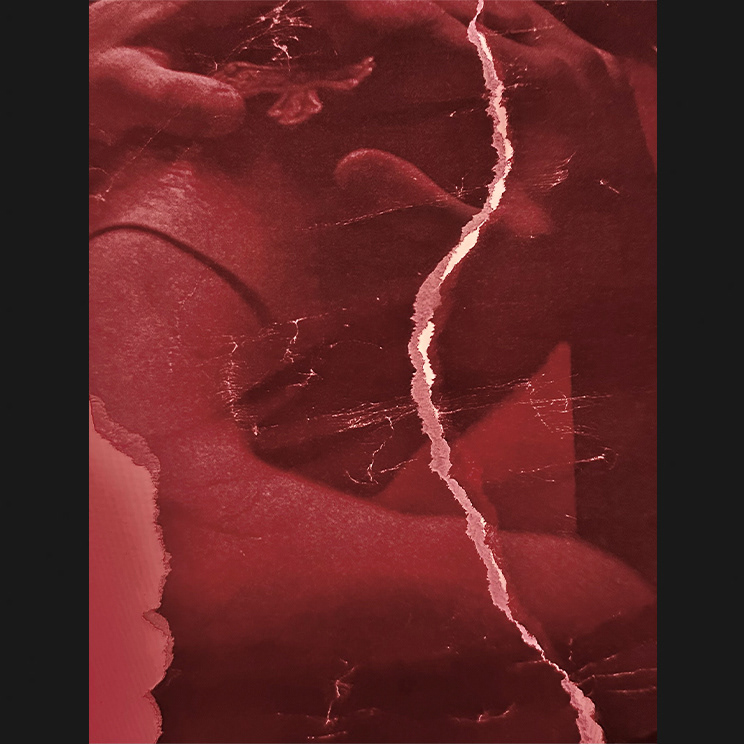
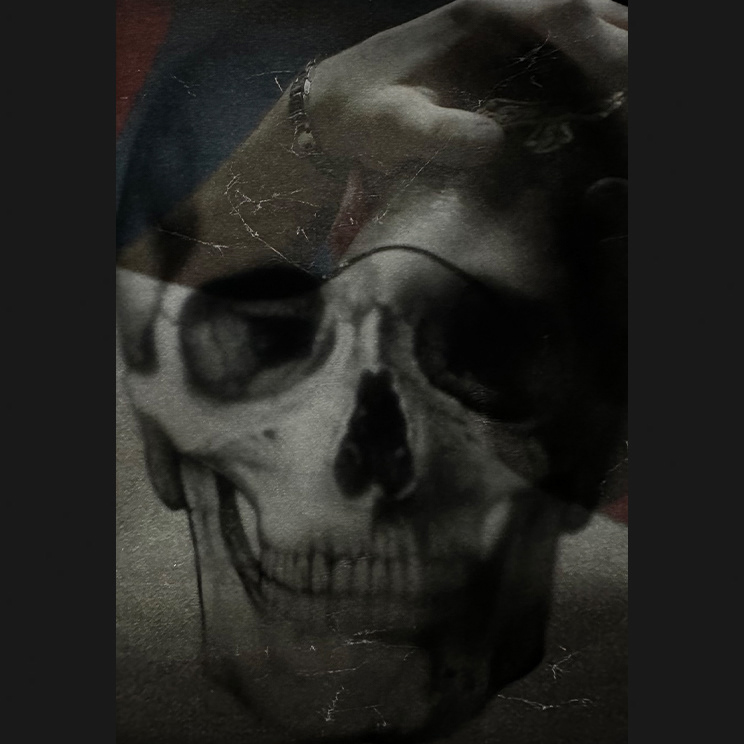
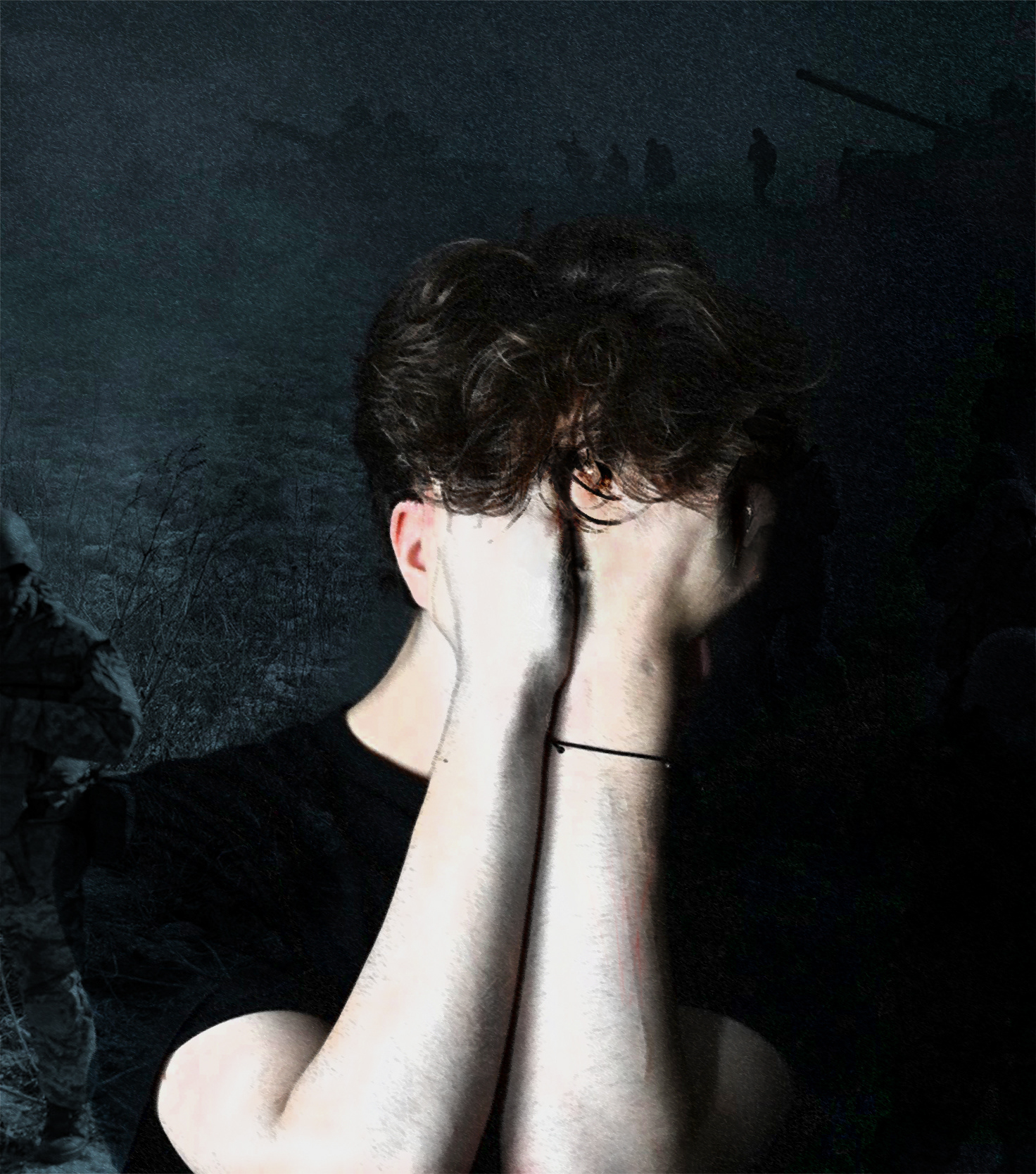
I called this 'Shunned Away'
Cycle 2
y Family and the Genoci
As James Baldwin said, "people are trapped in history, and history is trapped in them." | perceive our historical past as an essential source of formation of the self: it is a stamp on the individual's life, which inevitably affects and alters the person from the within. As an Armenian, whose country has undergone numerous miseries as well as victories, the Genocide of 1915 is a historical event that has had a great impact on my national identity. The Genocide commenced at the end of 19th century, and continued until the 1920s, affecting several generations. As a result of this inhuman massacre, approximately one and a half million Armenians, inhabiting Turkey and Western lands of Armenia, were killed, or colonized, their identity changed and their history annihilated. In this essay, I will examine some of the ways in which I explored this complex subject, the idea of historical identity, and how I relate to it.
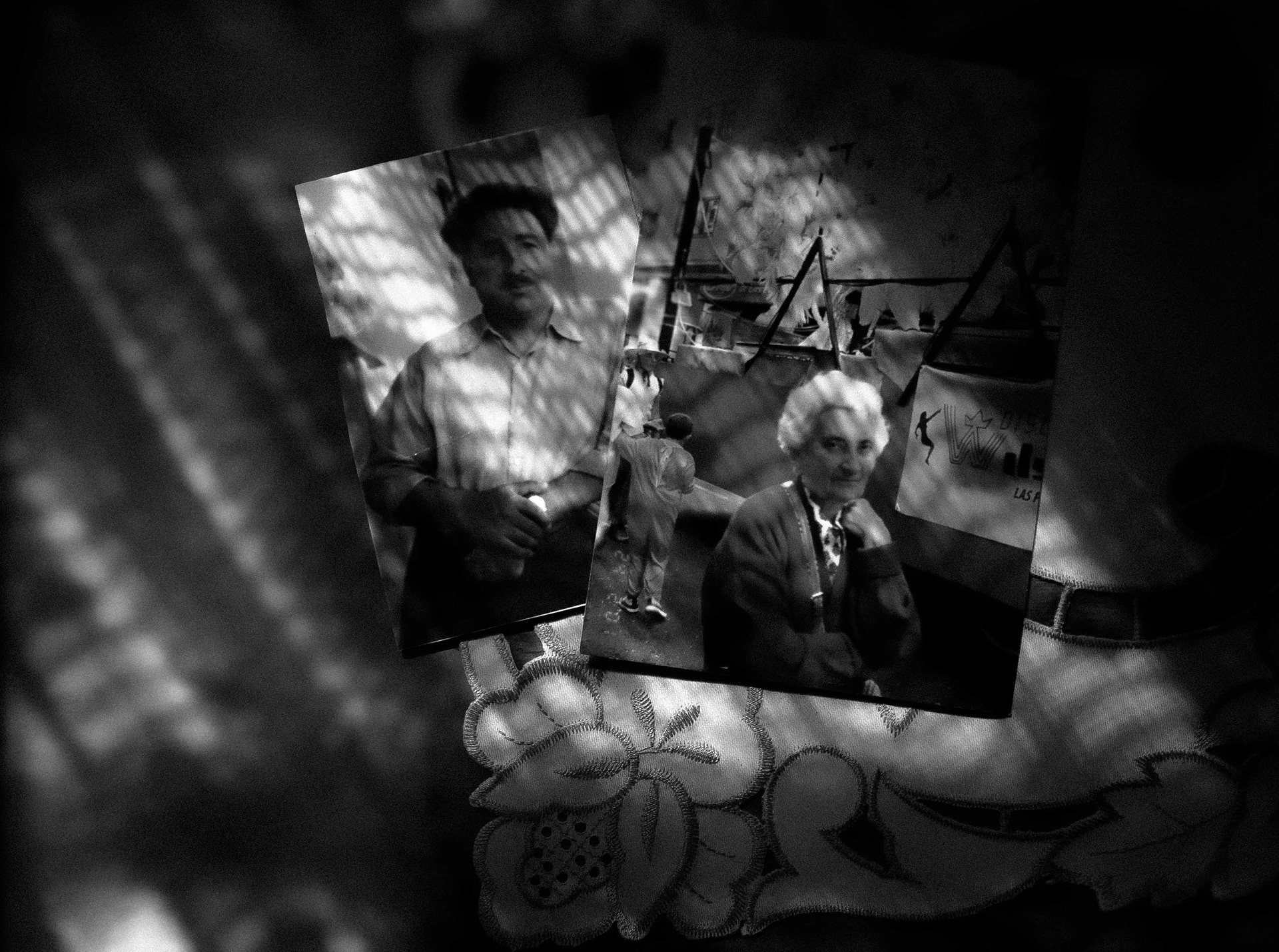
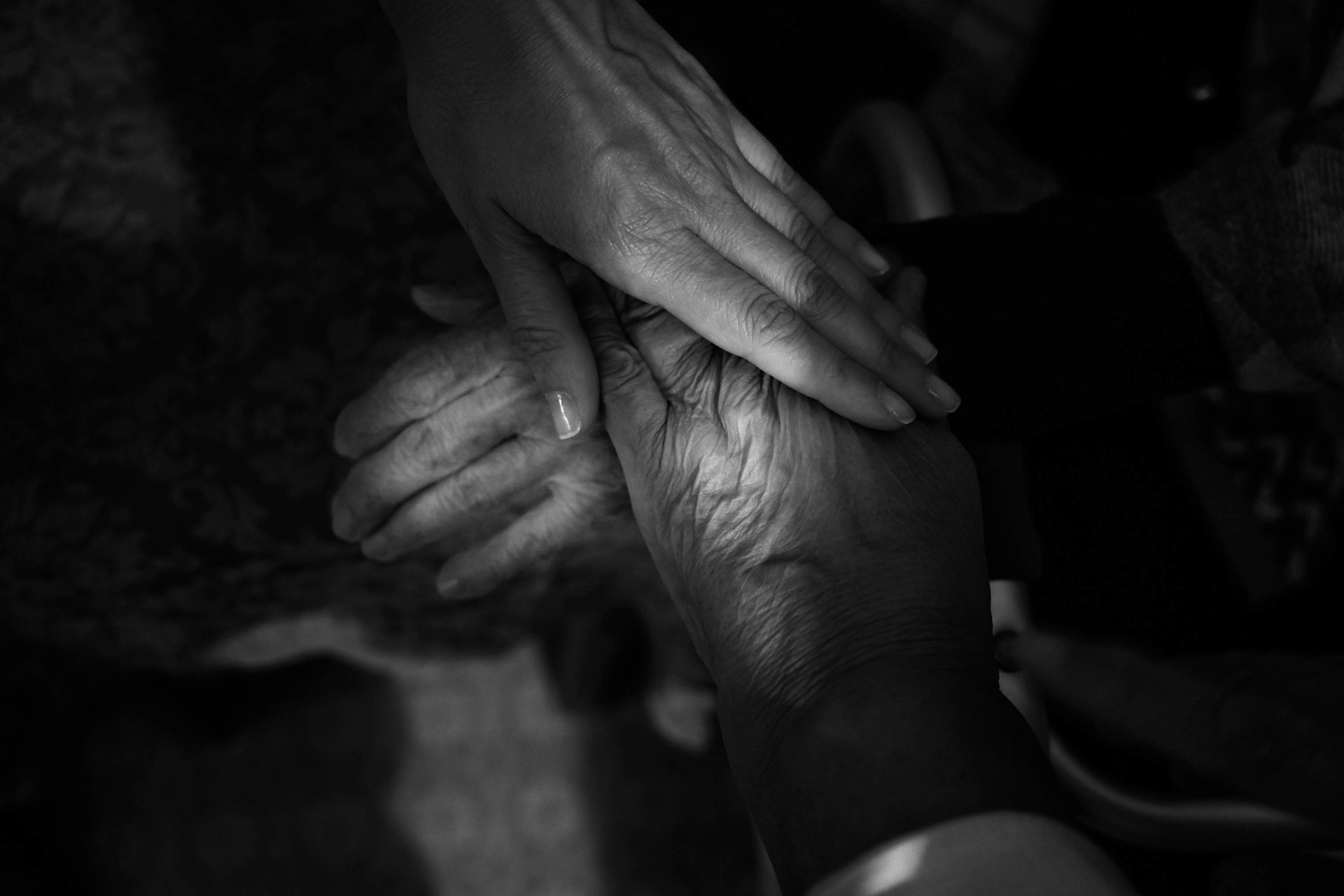
On the left-my great grandmother (Isabella) and her husband Poghos, whose parents have also escaped from the Western Armenia to Eastern areas.
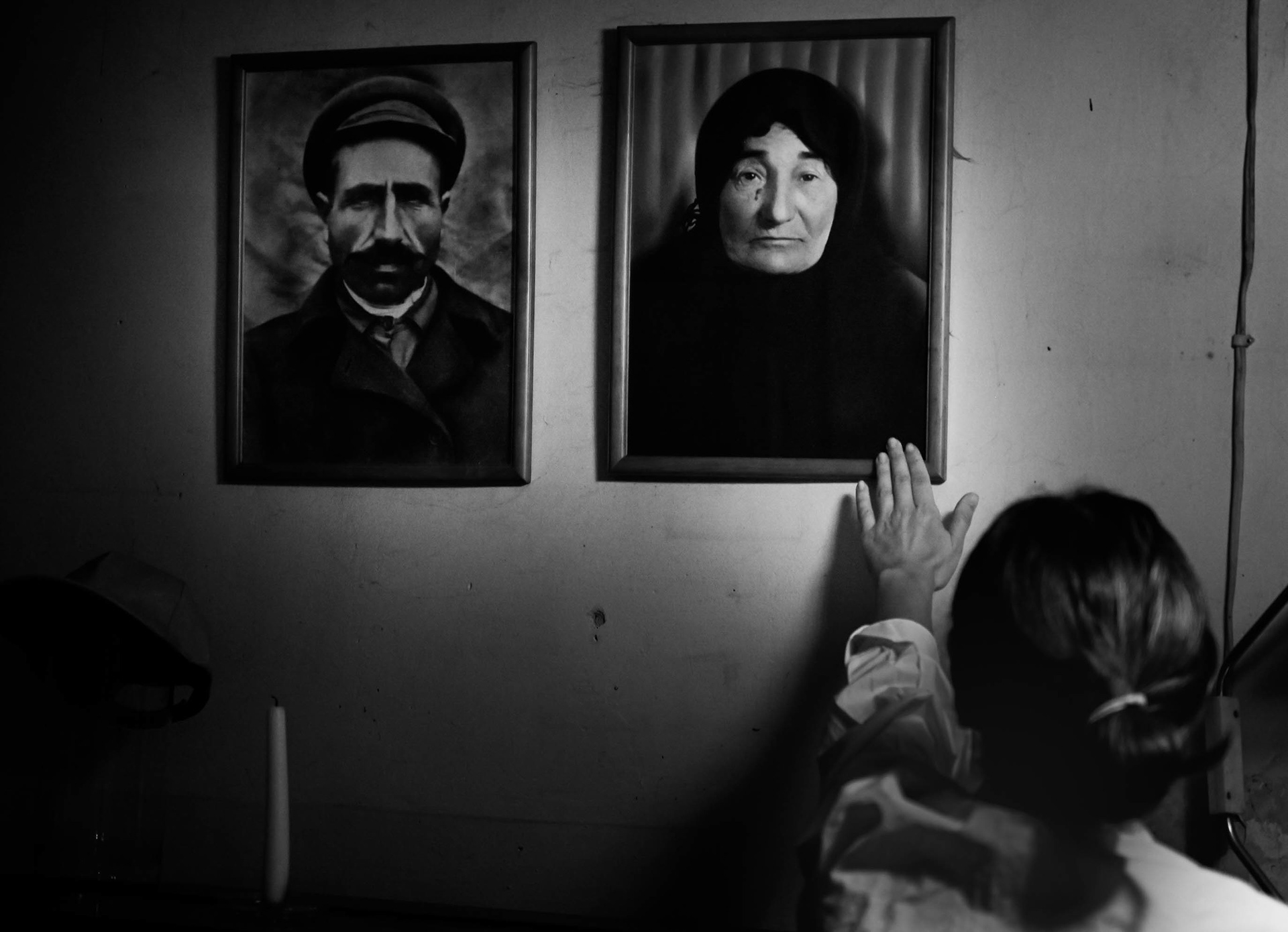
The portraits of Poghos's father, who was assisanated by the patronising Soviet regime and his wife, Sinam, who raised 6 kids by herself after her husband's death. In her dream, she once saw that a supernatural force showed her a source of mineral waters of her local village. She woke up, dug the place and indeed found a source of minerals there.
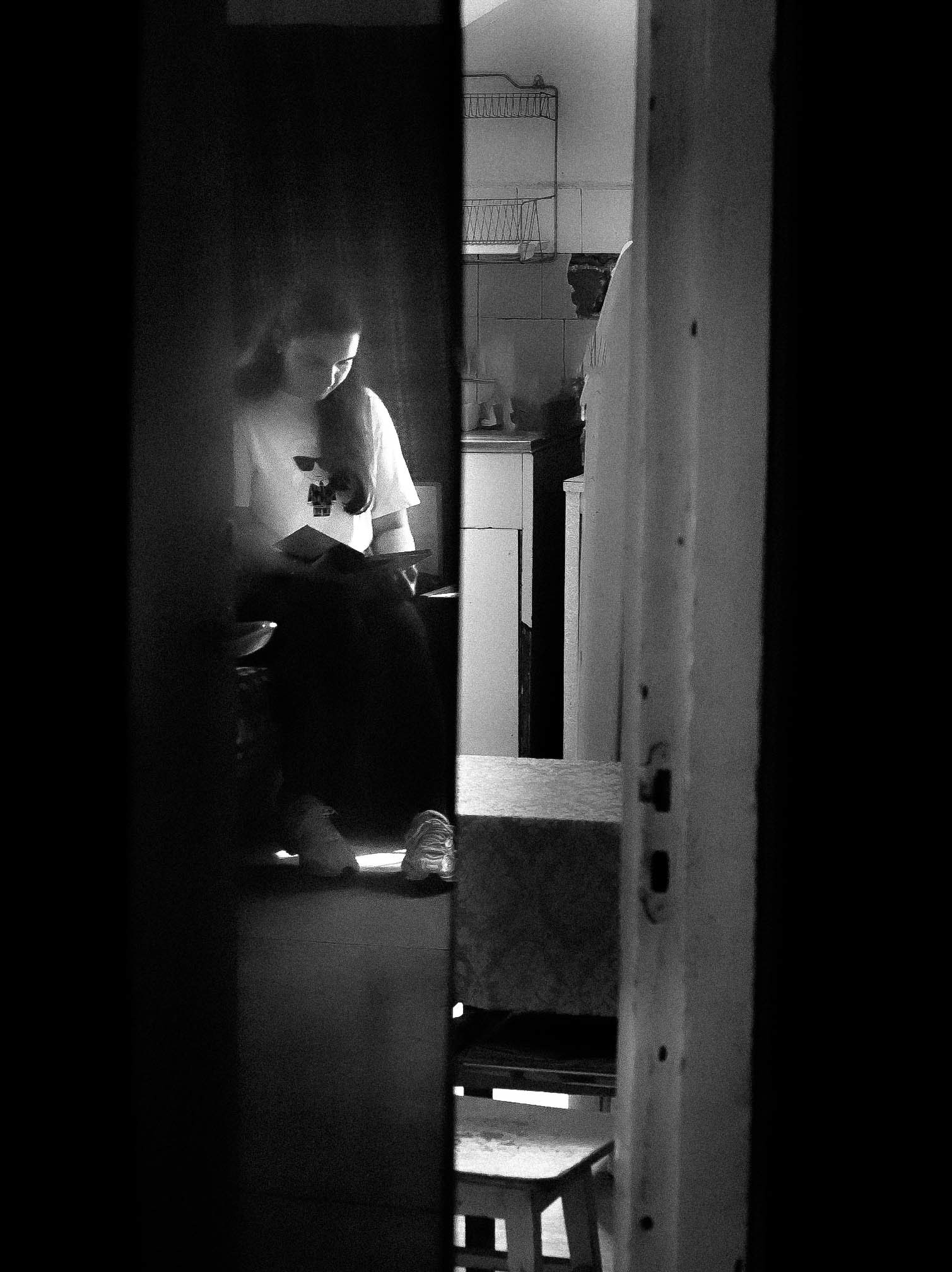
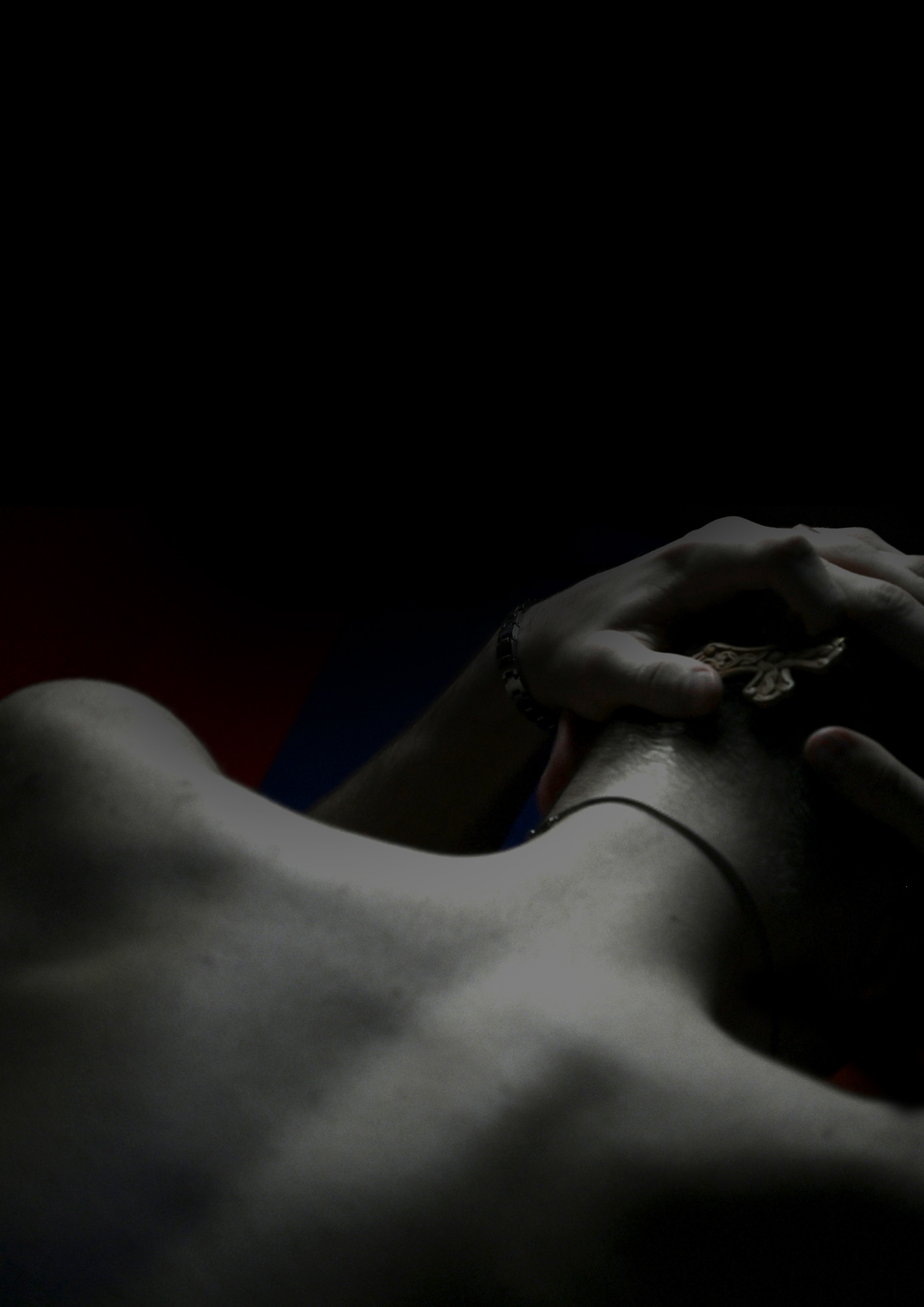
I wanted to communicate the sense of generational interconnectedness with trauma, family history and desire to connect to our roots. I photographed my cousin in the family house, located in the Village Nurnus, built Poghos. I wanted to showcase the sense of Armenian youth's curiosity with history and the past.